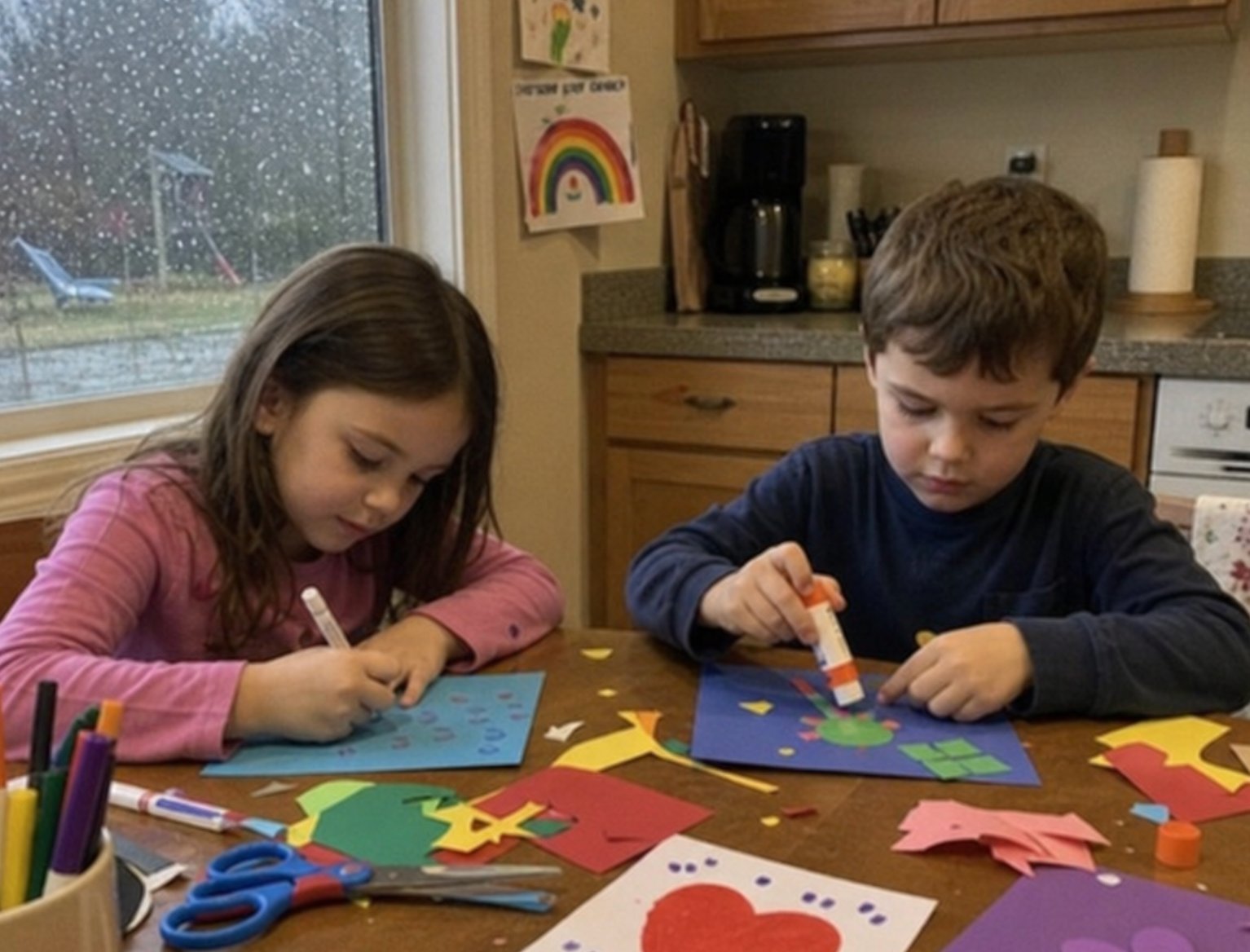
What to do with kids on a rainy day
Rain is part of family life in Ireland, from misty school-run mornings to full-on weekend downpours. The good news? A rainy day doesn’t have to mean hours of restless energy, screen battles, or “I’m bored” on repeat. With a small stash of household materials and a few nearby indoor ideas in your back pocket, you can turn wet weather into a day of play, creativity, movement, and connection.
Below are practical, parent-friendly ideas for Irish families, with age ranges, time estimates, materials, and safety notes where useful. Mix and match depending on your child’s mood, your available space, and how much energy everyone has.
1. Build a blanket fort and make it the “rainy day base”
Best for: Ages 2 to 10 Time: 20 minutes to build, then open-ended play Materials: Blankets, cushions, chairs, pegs, soft toys, books, torch, snacks
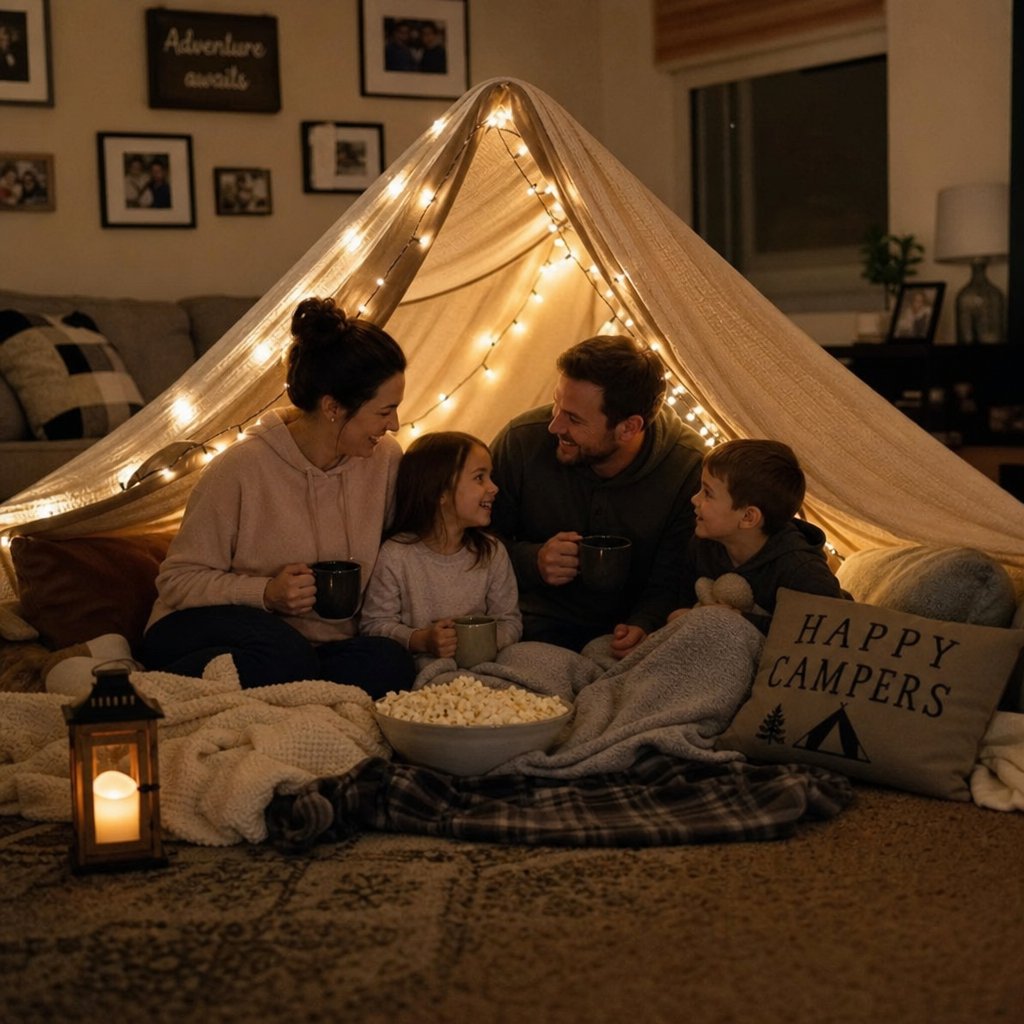
A blanket fort is one of the simplest fun rainy day activities for kids because it creates an instant sense of adventure without needing to leave the house. Let children choose whether the fort is a castle, spaceship, cosy reading nook, animal hospital, weather station, or secret clubhouse.
To make it more engaging, add a theme:
- Book den: Bring in picture books, comics, or library books.
- Teddy hospital: Use plasters, scarves, and toy doctor kits.
- Storm shelter: Pretend to be weather reporters tracking the rain.
- Cinema tent: Add cushions, a bowl of popcorn, and a short family film.
Safety note: Keep heavy furniture stable, avoid covering heaters or lamps, and leave gaps for airflow. For toddlers, keep the structure low and easy to exit.
2. Set up an indoor obstacle course
Best for: Ages 3 to 12 Time: 15 minutes to set up, 30 to 60 minutes of play Materials: Cushions, masking tape, laundry baskets, soft balls, tunnels, chairs, paper signs
When children are bouncing off the walls, channel that energy into movement. Indoor obstacle courses are classic rainy day games that work well in Irish homes, especially when outdoor play is off the cards.
Try stations such as:
- Jump over a cushion river.
- Crawl under a chair tunnel.
- Balance along a masking tape line.
- Toss socks into a laundry basket.
- Do five star jumps.
- Walk like a crab to the finish line.
For younger children, keep it simple and silly. For older children, add a timer and encourage them to redesign the route.
Safety note: Clear sharp corners, use soft items only, avoid slippery socks on wooden floors, and keep stairs out of the course. If space is tight, use low-impact moves like balancing, stretching, and target throwing.
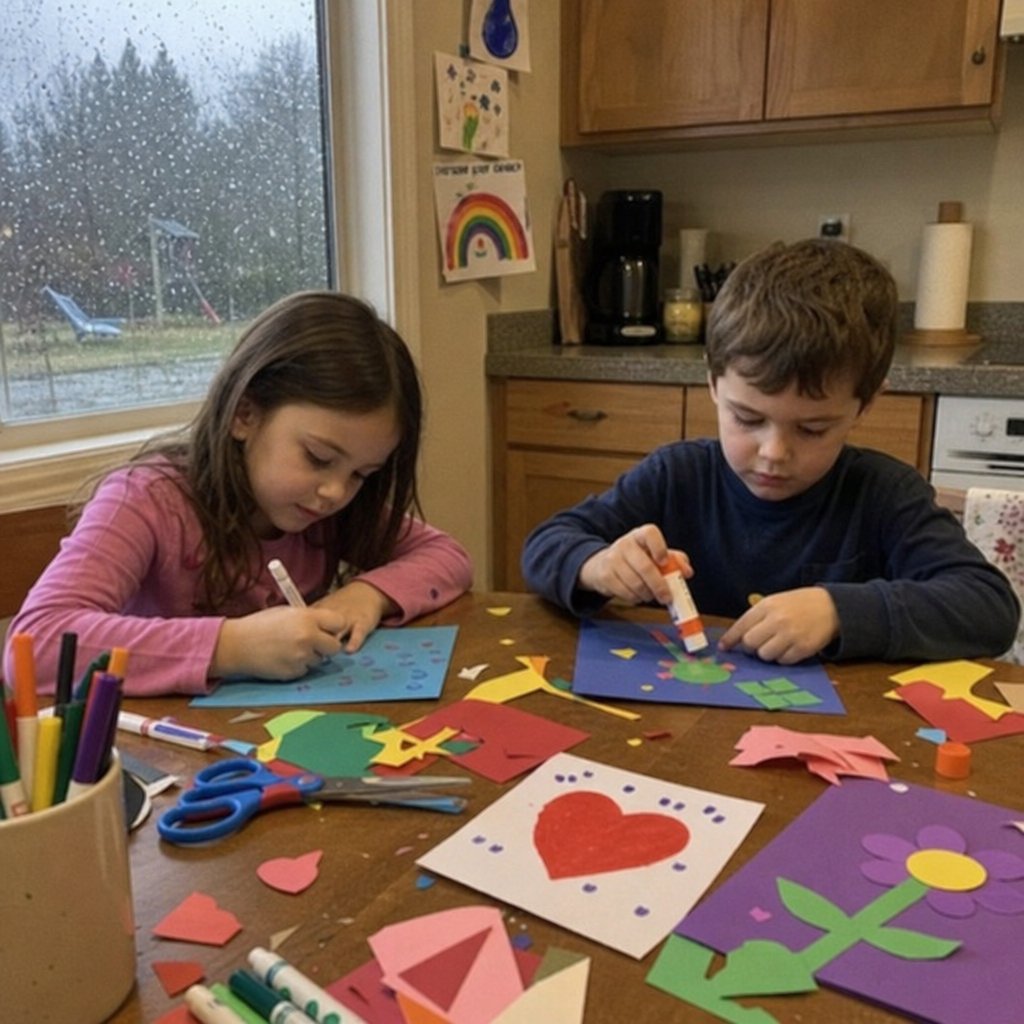
3. Create a rainy day craft box
Best for: Ages 2 to 12 Time: 20 to 90 minutes Materials: Paper, crayons, child-safe scissors, glue sticks, stickers, cardboard tubes, egg boxes, yarn, buttons, magazines, cereal boxes
A pre-packed craft box can save the day when the rain starts before breakfast. You don’t need expensive supplies. In fact, some of the best creative play ideas come from recycling bins and kitchen drawers.
Easy projects include:
- Cardboard tube binoculars.
- Paper plate masks.
- Egg box bugs.
- Cereal box castles.
- Magazine collages.
- Rain cloud mobiles with cotton wool and string.
- Homemade greeting cards for grandparents or neighbours.
For toddlers, focus on sticking, colouring, tearing paper, and sensory textures. For older kids, suggest a design challenge: “Can you build a bridge for a toy car?” or “Can you make a puppet theatre from a box?”
Safety note: Supervise scissors, small buttons, beads, and glue. Avoid small loose items for children under 3.
4. Have a living room treasure hunt
Best for: Ages 3 to 10 Time: 15 to 45 minutes Materials: Paper clues, small toys, stickers, snacks, envelopes
A treasure hunt adds excitement to a grey afternoon and can be adapted for almost any age. For non-readers, use picture clues. For older children, write rhymes or riddles.
Simple clue examples:
- “Look where your shoes sleep.”
- “Find the place where stories live.”
- “Your next clue is near something warm and cosy.”
- “Search where clean socks are hiding.”
The treasure doesn’t need to be big. It could be a sticker sheet, a homemade certificate, a biscuit, or the next activity choice.
To make it more Irish-weather themed, call it “The Great Rainy Day Quest” and hide clues near umbrellas, wellies, raincoats, or windows.
Safety note: Avoid hiding clues in kitchens, bathrooms, electrical areas, or anywhere children need to climb.
5. Turn the kitchen into a child-friendly bake-off
Best for: Ages 3 and up Time: 45 minutes to 2 hours Materials: Baking ingredients, mixing bowls, spoons, aprons, bun cases, cookie cutters
Baking is practical, calming, and rewarding, especially when rain is lashing against the windows. Choose simple recipes like fairy cakes, flapjacks, scones, banana bread, rice crispy buns, or no-bake chocolate biscuit squares.
Children can help with:
- Pouring ingredients.
- Stirring mixture.
- Cutting shapes.
- Decorating buns.
- Counting spoonfuls.
- Washing fruit.
- Setting the table for a “café” afterwards.
For extra fun, let children create menus and pretend your kitchen is a rainy day café. They can serve tea, juice, or hot chocolate to family members.
Safety note: Supervise ovens, hobs, knives, graters, and hot trays. For younger children, give them a separate bowl with safe ingredients to stir if the main recipe needs close adult control.
6. Make homemade playdough
Best for: Ages 2 to 8 Time: 15 minutes to make, 30 to 90 minutes to play Materials: Flour, salt, water, oil, food colouring, mixing bowl, rolling pin, cookie cutters
Homemade playdough is affordable, tactile, and ideal for wet afternoons. Once made, children can create animals, pretend food, letters, mini towns, monsters, or shapes.
Add prompts to stretch the play:
- Make a bakery window.
- Build a tiny garden.
- Create your family as playdough people.
- Make shapes that start with a certain letter.
- Build a zoo for small toy animals.
This is especially useful for younger children who need hands-on sensory play when they can’t get outside.
Safety note: Playdough is not food, even if made from kitchen ingredients. Supervise toddlers and store it out of reach after use. Check for allergies or sensitivities before adding scents or colourings.
7. Host a family board game mini-tournament
Best for: Ages 4 and up Time: 30 minutes to 2 hours Materials: Board games, card games, dice, paper score sheet, small prize
Board games are some of the easiest rainy day games because they build patience, turn-taking, problem-solving, and family connection. Choose games based on age and attention span.
Good options include:
- Matching games for preschoolers.
- Simple card games for primary school children.
- Word games for older kids.
- Strategy games for tweens.
- Cooperative games if your child finds losing difficult.
If competition causes arguments, switch to “beat the grown-up” or cooperative challenges. You can also create silly prizes such as “Best Dice Roller,” “Most Dramatic Reaction,” or “Kindest Player.”
Safety note: Watch for small pieces around younger siblings and pets.
8. Create an indoor campsite
Best for: Ages 3 to 10 Time: 30 minutes to set up, then open-ended Materials: Blankets, sleeping bags, torch, toy animals, storybooks, snacks, paper stars
If the rain cancels a park trip or playground plan, bring the outdoors in. Set up a pretend campsite in the sitting room, complete with a “campfire” made from cushions, cardboard tubes, or coloured paper.
Activities to include:
- Tell stories by torchlight.
- Make indoor s’mores-inspired snacks.
- Sing campfire songs.
- Go on a pretend wildlife walk.
- Draw constellations.
- Create a rain soundscape using fingers tapping on the floor.
This is one of those creative play ideas that can expand for hours if you let children take the lead.
Safety note: Use battery torches instead of candles. Keep snacks age-appropriate and supervise small children while eating.
9. Try a simple science experiment
Best for: Ages 4 to 12 Time: 15 to 60 minutes Materials: Depends on experiment, but often baking soda, vinegar, food colouring, jars, water, paper towels, balloons
Rainy days are perfect for hands-on science. Keep experiments simple, low-mess, and easy to explain.
Try these ideas:
- Rain cloud in a jar: Use water, shaving foam, and food colouring to show how “rain” falls.
- Walking water: Use cups, water, food colouring, and kitchen paper.
- Baking soda volcano: Use baking soda, vinegar, and a tray.
- Sink or float test: Gather safe household items and predict results.
- Magnet hunt: Use a magnet to test which items are magnetic.
Ask children to predict what will happen before each experiment. That small step turns a quick activity into real learning.
Safety note: Supervise all experiments. Keep vinegar, food colouring, magnets, balloons, and small objects away from toddlers unless closely monitored. Avoid experiments involving heat, glass, or pressure for younger children.
10. Make a rainy day cinema at home
Best for: All ages Time: 1 to 3 hours Materials: Film or show, cushions, blankets, popcorn, tickets, paper signs
Sometimes, everyone needs a slower afternoon. A home cinema makes screen time feel intentional rather than endless. The trick is to create a beginning, middle, and end.
Let kids:
- Design cinema tickets.
- Make a snack menu.
- Choose seats.
- Create a “now showing” poster.
- Review the film afterwards with star ratings.
For younger children, choose a short film or a few episodes rather than a full movie. For older children, let them create a mini film review or act out a favourite scene afterwards.
Safety note: Keep snacks safe for younger children and take movement breaks if kids get fidgety.
11. Visit your local library
Best for: Babies to teens Time: 30 minutes to 2 hours Materials: Library card, rain gear, bag for books
Libraries across Ireland can be brilliant nearby indoor options on rainy days. Many offer children’s books, cosy reading spaces, story sessions, craft events, homework resources, and access to digital materials. Even a short visit can reset the day when everyone needs a change of scene.
Make the trip more purposeful by giving children a mission:
- Find a book about animals.
- Choose one funny book and one fact book.
- Pick a story set in Ireland.
- Find a cookbook for a later baking activity.
- Choose a book to read together at bedtime.
For toddlers, a library trip builds routine and language. For older children, it encourages independence and choice.
Safety note: Keep little ones close near entrances, stairs, lifts, and automatic doors, especially when coats and floors are wet.
12. Plan a museum or gallery mini-adventure
Best for: Ages 4 and up Time: 1 to 3 hours, plus travel Materials: Raincoats, snacks, notebook, pencils, public transport card or parking plan
If cabin fever is setting in, look for a nearby museum, gallery, heritage centre, science centre, or local exhibition. Ireland has many indoor cultural spaces that suit families, and some are free or low-cost, though opening hours and booking rules can vary.
To keep kids engaged, set a challenge before you go:
- Find three animals.
- Spot the oldest object.
- Choose your favourite painting.
- Sketch something interesting.
- Find something that reminds you of home.
- Pick one thing to tell someone about later.
Keep the visit short if children are young. It’s better to leave while everyone is still happy than push through tiredness.
Safety note: Check venue rules before visiting. Watch younger children around displays, stairs, escalators, and busy entrances. Bring snacks, but only eat in permitted areas.
13. Go swimming or try an indoor leisure centre
Best for: Babies and up, depending on facility rules Time: 1 to 2 hours Materials: Swimwear, towels, goggles, swim nappies if needed, coins or card for lockers, dry clothes
For children with lots of energy, a local swimming pool or leisure centre can be a great rainy day option. It still feels active and playful, but you avoid the worst of the weather.
Before you go, check:
- Family swim times.
- Booking requirements.
- Age rules.
- Locker setup.
- Pool depth and toddler areas.
- Whether armbands or floats are allowed.
If swimming feels like too much effort, some leisure centres also offer soft play, indoor courts, climbing, gymnastics, or family fitness sessions.
Safety note: Maintain close supervision in and around water at all times. Follow pool rules, use appropriate flotation aids if needed, and keep children wrapped up warmly after swimming, especially in cold, wet weather.
14. Make a “yes day” jar for small indoor choices
Best for: Ages 3 to 12 Time: 10 minutes to set up, all day to use Materials: Jar or bowl, paper slips, pen
A full “yes day” can be unrealistic, but a rainy day choice jar gives children a sense of control while keeping parents sane. Write small, manageable activities on slips of paper and let children pick one whenever boredom hits.
Ideas for the jar:
- Build a tower.
- Read two stories.
- Make hot chocolate.
- Dance to three songs.
- Draw a silly animal.
- Phone a grandparent.
- Do a puzzle.
- Make paper boats.
- Play hide and seek.
- Choose a board game.
This works especially well for siblings because it reduces arguments about what to do next.
Safety note: Only include activities you are genuinely willing and able to do that day.
15. Turn chores into playful challenges
Best for: Ages 3 and up Time: 10 to 45 minutes Materials: Laundry, socks, baskets, timer, music, cloths
Rainy days often mean extra wet coats, muddy shoes, and laundry. Instead of trying to entertain children while doing everything yourself, invite them into the routine through play.
Try:
- Sock matching races.
- “Laundry basketball” into baskets.
- Toy rescue missions at tidy-up time.
- Dusting with old socks on hands.
- Sorting clothes by colour.
- Setting a timer for a five-minute tidy.
- Creating a rainy day shoe station for wet footwear.
Children usually enjoy chores more when the task is short, specific, and playful. Add music to boost momentum.
Safety note: Keep cleaning sprays, laundry capsules, sharp tools, and electrical appliances out of reach. Give children safe, age-appropriate tasks only.
16. Make a cardboard box town
Best for: Ages 3 to 11 Time: 45 minutes to several hours Materials: Cardboard boxes, markers, tape, paper, toy cars, small figures, stickers
A few cardboard boxes can become a whole world. Children can design roads, houses, shops, schools, farms, Garda stations, hospitals, parks, or train stations. If they enjoy imaginative play, this can become an ongoing project for several rainy afternoons.
Prompt them with questions:
- Who lives in the town?
- What does the town need?
- Where do people go when it rains?
- Is there a library, café, or swimming pool?
- What rules does the town have?
This combines construction, storytelling, drawing, and problem-solving, making it one of the most flexible creative play ideas.
Safety note: Adults should cut thick cardboard. Avoid sharp craft knives around children, and check boxes for staples or rough edges.
17. Try a music and movement session
Best for: Babies to age 8, with older siblings joining as leaders Time: 15 to 45 minutes Materials: Music, scarves, pots, wooden spoons, shakers, cushions
Music is a quick mood-shifter. It’s especially useful during long Irish rainy spells when children haven’t had enough outdoor movement.
Create a mini session:
- Warm up with stretching.
- Dance to a favourite song.
- Freeze when the music stops.
- March around the room.
- Play homemade instruments.
- End with a calm song or breathing exercise.
Babies can enjoy clapping, bouncing, and gentle rhythm games. Preschoolers love freeze dance. Older kids may enjoy choreographing a routine or teaching younger siblings.
Safety note: Keep volume comfortable, clear the floor, and avoid hard objects if children are spinning or jumping.
18. Build a puzzle and quiet corner
Best for: Ages 2 and up Time: 15 minutes to 2 hours Materials: Jigsaws, threading beads, sticker books, colouring pages, cushions, audiobooks
Not every rainy day needs high energy. A quiet corner helps children wind down, especially after a busy morning. Set up a small area with calming activities they can choose independently.
Include:
- Age-appropriate puzzles.
- Colouring sheets.
- Sticker books.
- Threading toys.
- Audiobooks.
- Soft toys.
- A cosy blanket.
For children who struggle with transitions, call it “recharge time” rather than “quiet time.” Stay nearby at first, then gradually let them settle into independent play.
Safety note: Avoid small puzzle pieces and beads for children under 3. Choose washable colouring supplies if using them near sofas or carpets.
19. Do a family photo or video project
Best for: Ages 6 and up Time: 30 minutes to 2 hours Materials: Phone or camera, props, costumes, paper scripts
Older children often enjoy projects that feel grown-up. A rainy day is a good time to make a short film, family news report, weather forecast, music video, or stop-motion animation.
Project ideas:
- “Live from the rainy window” weather report.
- Puppet show filmed on a phone.
- Stop-motion with toys.
- Family interview project.
- Mini documentary about pets.
- Comedy advert for a made-up product.
Let children plan, film, act, and edit if they’re old enough. The final result can be shared privately with family members if appropriate.
Safety note: Set privacy rules before filming. Avoid posting children’s videos publicly without careful consideration. Keep devices away from water, food, and rough play.
20. Create a rainy day sensory tray
Best for: Ages 1 to 6 Time: 15 to 45 minutes Materials: Tray or shallow box, dry rice, pasta, oats, water beads only for older supervised children, spoons, cups, toy animals, towels
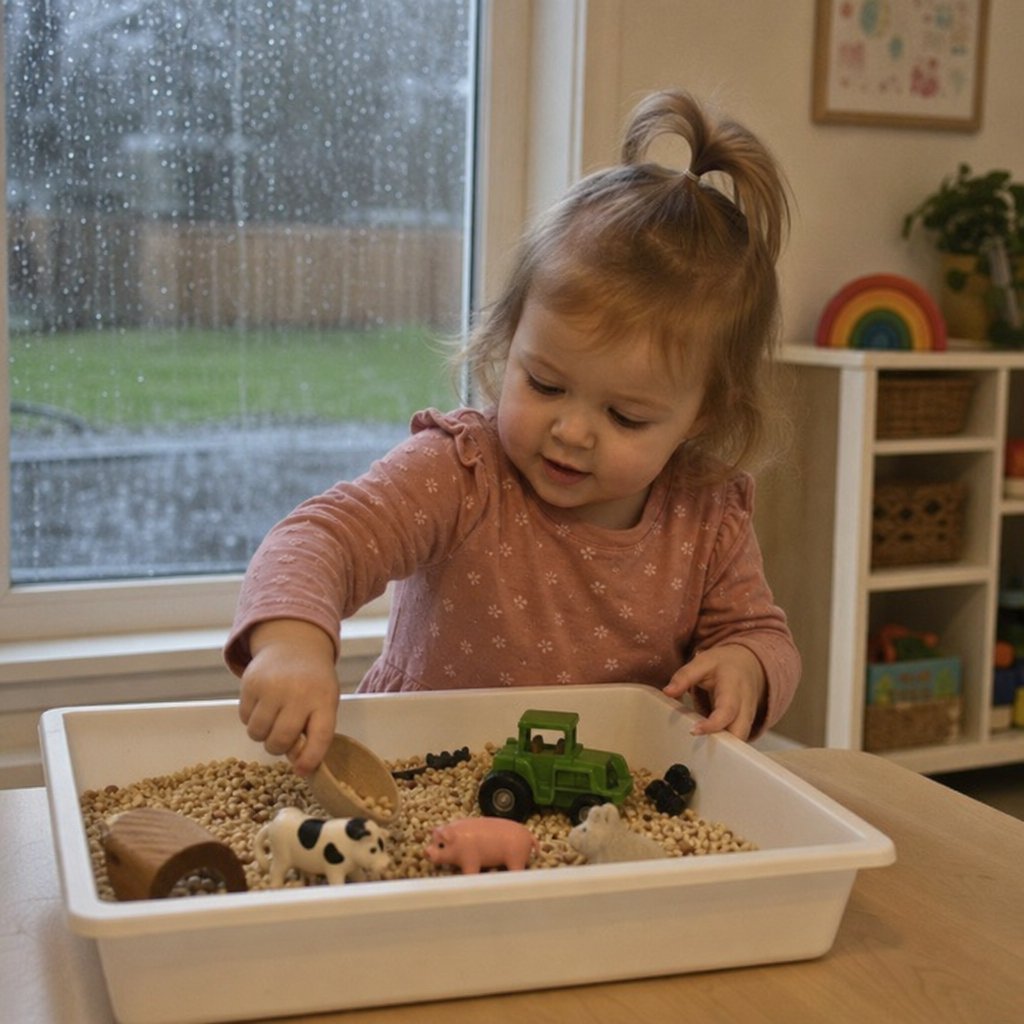
Sensory play can be wonderfully absorbing for younger children. Keep it contained by using a tray, baking dish, or under-bed storage box.
Simple themes:
- Dry pasta construction site.
- Oats farmyard.
- Rice treasure dig.
- Soapy water car wash.
- Toy animal bath.
- Cotton wool snow scene.
Place a towel underneath and accept that some sweeping may be needed afterwards. The goal is calm exploration, scooping, pouring, and pretend play.
Safety note: Supervise closely. Avoid choking hazards for babies and toddlers. Be cautious with water beads, as they can be dangerous if swallowed. Choose taste-safe materials for younger children.
21. Make paper boats and test them in the sink
Best for: Ages 4 to 10 Time: 20 to 45 minutes Materials: Paper, crayons, stickers, sink or basin, small toys, towel
Paper boats fit perfectly with a wet-weather day. Children can decorate them, name them, and predict which design will float longest.
Extend the activity by asking:
- Can your boat carry a coin?
- What happens if the paper is thicker?
- Can you make a sail?
- Which boat moves fastest when you blow on it?
- Can you create a harbour from blocks?
This blends craft, science, and imaginative play in one low-cost activity.
Safety note: Supervise around water. Empty basins after use, especially with toddlers in the home. Wipe spills quickly to prevent slips.
22. Try an indoor “rain walk” with proper gear
Best for: Ages 2 and up Time: 10 to 30 minutes Materials: Waterproof coats, wellies, hats, spare socks, towel
Sometimes the best answer to rain is a very short, well-prepared outing. If conditions are safe, a quick splash walk can reset everyone’s mood. This is especially true in Ireland, where waiting for perfect weather can mean waiting a long time.
Keep it simple:
- Walk to the end of the road and back.
- Count puddles.
- Listen for different rain sounds.
- Spot worms, snails, or wet leaves.
- Jump in one approved puddle before going home.
Set expectations before leaving: “We’re going out for 15 minutes, then coming back for warm socks and a snack.”
Safety note: Avoid storms, high winds, flooding, poor visibility, icy paths, and fast-moving water. Use reflective clothing near roads and supervise puddle jumping carefully.
23. Build a reading-and-snack picnic
Best for: Babies to age 10 Time: 30 to 60 minutes Materials: Blanket, books, soft toys, snacks, drinks with lids
Indoor picnics feel special without requiring much work. Spread a blanket on the floor and bring a small selection of snacks and books. Children can invite teddies or dolls, choose a “picnic story,” and help prepare fruit or sandwiches.
To make it more interactive:
- Read a book about weather.
- Ask children to act out parts of the story.
- Let each child choose one book.
- Make silly voices for characters.
- Draw the favourite scene afterwards.
This is a lovely option for late afternoon, when energy is dipping and dinner still feels far away.
Safety note: Choose age-appropriate snacks and supervise young children while eating. Keep drinks away from library books or electronics.
24. Play “shop,” “restaurant,” or “post office”
Best for: Ages 3 to 9 Time: 30 minutes to 2 hours Materials: Empty food boxes, paper money, bags, toy till, envelopes, stickers, menus
Pretend play helps children process real-world routines. On a rainy day, everyday places can become brilliant indoor worlds.
Set up:
- Shop: Use tins, cereal boxes, fruit, and bags.
- Restaurant: Make menus and take orders.
- Post office: Write letters, sort parcels, and make stamps.
- Doctor surgery: Use soft toys as patients.
- Vet clinic: Bandage toy animals.
This kind of play supports language, maths, empathy, and social skills. It also works well for siblings of different ages because each child can take a role.
Safety note: Avoid real coins with younger children due to choking risk. Use clean packaging and remove sharp edges.
25. Do a local indoor play trip
Best for: Toddlers to around age 10, depending on venue Time: 1 to 3 hours Materials: Socks, water bottle, snacks if allowed, spare clothes, booking confirmation if needed
Soft play centres, indoor play cafés, trampoline parks, climbing centres, bowling alleys, and activity hubs can be lifesavers during long rainy spells. They’re especially helpful if your child needs big movement and your home doesn’t have much space.
Before heading out, check:
- Age suitability.
- Session times.
- Booking requirements.
- Sock rules.
- Food policies.
- Parking or public transport options.
- Whether it’s suitable for younger siblings.
Try to go at quieter times if your child gets overwhelmed. Bring a spare top or socks, as indoor play can be surprisingly energetic.
Safety note: Follow venue rules and supervise actively. Trampoline and climbing venues may have specific age, height, and safety requirements.
26. Make a family weather station
Best for: Ages 5 to 12 Time: 30 minutes to set up, a few minutes daily Materials: Notebook, thermometer if available, jar rain gauge, ruler, pencils, window view
Irish weather gives children plenty to observe. Turn the rain into a learning opportunity by making a simple home weather station.
Track:
- Rain or no rain.
- Cloud type by drawing what you see.
- Wind strength using trees or flags.
- Temperature if you have a thermometer.
- Puddle size in the garden or path.
- Daily mood and best activity.
You can make a rain gauge from a clear jar placed safely outside in an open spot, then measure the water collected after a set time.
Safety note: An adult should place and collect outdoor items if paths are slippery. Do not send children outside during unsafe weather.
27. Create a “rainy day restaurant” dinner
Best for: Ages 4 and up Time: 45 minutes to 2 hours Materials: Paper menus, crayons, simple dinner ingredients, placemats, napkins
If the day has felt long, turn dinner into the main event. Children can design menus, set the table, choose music, make place cards, and help with simple food prep.
Keep the menu realistic:
- Soup and toast.
- Pasta with grated cheese.
- Baked potatoes.
- Wraps.
- Homemade pizza breads.
- Scrambled eggs and toast.
- Fruit and yoghurt dessert.
Let children be waiters, chefs, customers, or reviewers. This gives the evening structure and can reduce the “witching hour” feeling that often comes with rainy days indoors.
Safety note: Keep children away from hot pans, boiling water, sharp knives, and oven doors. Give safe jobs like washing vegetables, sprinkling cheese, folding napkins, or stirring cool mixtures.
28. Make a calm-down box for stormy moods
Best for: Ages 2 and up Time: 15 minutes to create, reusable Materials: Box or basket, soft toy, sensory bottle, colouring, fidget toy, headphones, picture cards, small book
Rainy days can bring big feelings, especially when plans are cancelled. A calm-down box gives children tools to regulate without making them feel punished.
Include items such as:
- A soft toy.
- A favourite small book.
- A glitter bottle.
- Colouring pages.
- A stress ball.
- Noise-reducing headphones.
- Breathing cards.
- A family photo.
Introduce the box when your child is calm, not during a meltdown. Say, “This is here to help your body feel better when the day feels too much.”
Safety note: Avoid small parts for younger children. If your child has sensory sensitivities, choose calming items carefully and avoid anything overwhelming.
29. Use screen time creatively
Best for: Ages 4 and up Time: 20 to 90 minutes Materials: TV, tablet, laptop, headphones if needed, paper for follow-up activity
Screen time doesn’t have to be passive. On a rainy day, use it as a springboard for play or learning.
Try:
- Watch a drawing tutorial, then make your own version.
- Follow a child-friendly yoga or dance video.
- Watch a short nature clip, then build the animal habitat from blocks.
- Video call grandparents or cousins.
- Listen to an audiobook while colouring.
- Use a museum or zoo virtual tour as inspiration for pretend play.
Set a clear endpoint before you start. For example: “We’ll watch this, then we’ll make our own animal rescue centre.”
Safety note: Use age-appropriate content, supervise internet use, and take breaks. Keep devices out of bedrooms for younger children if that suits your family rules.
30. Keep a simple rainy day rhythm
Best for: All ages Time: Whole day Materials: Paper schedule, pen, activity choices
The biggest secret to surviving rainy days with children is not filling every minute. It’s creating a rhythm. Kids often cope better when they know what’s coming next.
A simple rhythm might look like:
- Morning movement: Obstacle course, dancing, or swimming.
- Creative time: Crafts, playdough, baking, or cardboard building.
- Lunch reset: Picnic, café play, or warm soup.
- Quiet time: Books, puzzles, audiobooks, or a film.
- Fresh air if safe: Short rain walk or quick errand.
- Evening wind-down: Board game, bath, story, or calm-down box.
You don’t need a perfect plan. You just need a few flexible anchors so the day doesn’t feel endless.
Quick rainy day activity picks by age
If you need a fast decision, start here.
Babies and toddlers:
- Sensory tray with taste-safe materials.
- Music and movement.
- Indoor picnic.
- Library visit.
- Simple stacking games.
- Soft play if suitable.
Preschoolers:
- Blanket fort.
- Playdough.
- Treasure hunt.
- Pretend shop.
- Paper plate crafts.
- Short puddle walk in safe weather.
Primary school children:
- Indoor obstacle course.
- Science experiments.
- Board games.
- Cardboard box town.
- Baking.
- Museum or gallery trip.
Tweens:
- Stop-motion video.
- More complex baking.
- Strategy games.
- Indoor climbing or bowling.
- Weather station project.
- Creative screen-time challenge.
A practical rainy day kit for Irish homes
You don’t need a playroom or a huge budget. A small rainy day kit can make wet weekends much easier.
Useful items to keep together:
- Glue sticks.
- Paper and card.
- Washable markers.
- Child-safe scissors.
- Stickers.
- Masking tape.
- Balloons for supervised games.
- Playing cards.
- Dice.
- Bubbles for bathroom or kitchen play.
- Torch.
- Spare colouring books.
- Cookie cutters.
- Old magazines.
- A few emergency snacks.
- Library books.
- A list of nearby indoor places.
Keep the kit out of everyday reach if possible, so it feels fresh when the weather turns.
Safety reminders for rainy days
Wet weather can make ordinary routines a little trickier, especially with young children. Keep these reminders in mind:
- Wipe wet floors quickly to prevent slips.
- Dry wellies and coats near ventilation, not directly over unsafe heat sources.
- Supervise children around water play, sinks, baths, and basins.
- Keep small craft items away from under-3s.
- Check outdoor conditions before any rain walk.
- Avoid flooded areas, strong winds, lightning, and poor visibility.
- Bring spare socks and clothes for nearby indoor trips.
- Build in snack breaks, because hungry children get frustrated faster.
- Lower expectations if everyone is tired.
- Have one quiet activity ready for after high-energy play.
Final thought
Rainy days with kids in Ireland are inevitable, but they don’t have to be miserable. The best approach is a mix of movement, creativity, calm time, and the occasional nearby indoor outing. Keep a few materials ready, rotate your favourite rainy day games, and let children help choose what comes next.
Whether you build a fort, bake buns, visit the library, make a cardboard town, or splash through a short rain walk, the goal is simple: turn a grey day into a memory-making day.